Mastering Lawn Aesthetics: The Strategic Use of Pinestraw Feb 18, 2026
Understanding the Basics of Pinestraw
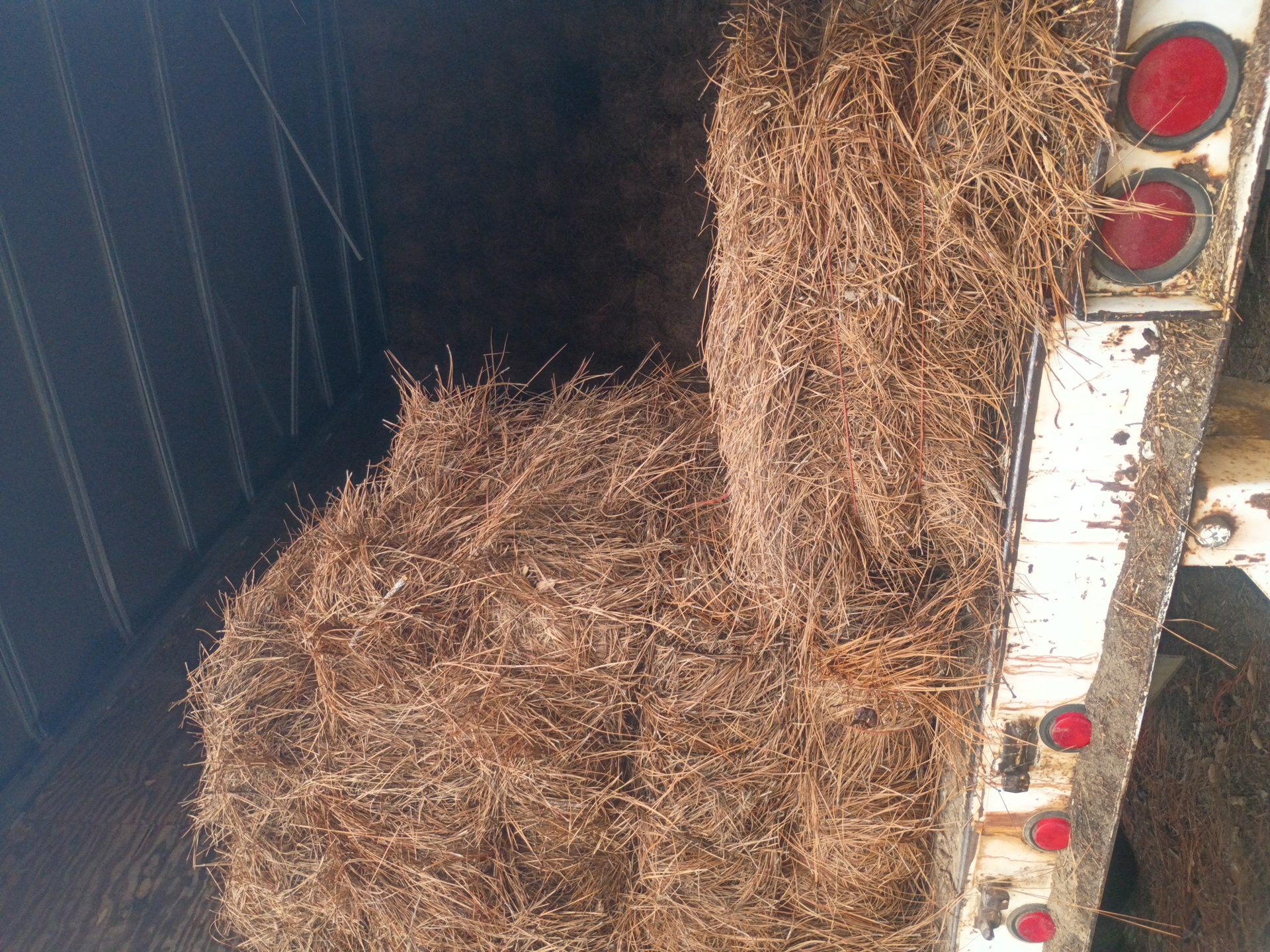
Pinestraw is essentially the fallen needles of pine trees. It's widely used in gardens and landscapes across the country, especially in the South, due to its affordability, ease of application, and organic composition. When laid properly, pinestraw acts as a natural mulch, maintaining soil moisture, regulating temperature, and minimizing weed growth. Its attractive appearance also adds a touch of rustic charm, seamlessly blending with a variety of landscape designs.
Choosing the Right Pinestraw
The key to mastering lawn aesthetics lies in selecting the appropriate type of pinestraw. Longleaf pinestraw, distinguished by its characteristic long needles and rich color, is highly favored for both its durability and visual appeal. It typically lasts longer and retains its color better than other varieties. Slash pinestraw, with its more varied needle lengths, is another excellent option, providing a dense cover that effectively shields against harsh weather conditions. Consulting with professionals from BAM Another Pinestraw Lot can guide you in picking the type best suited for your specific needs and preferences.
The Application Process
Applying pinestraw might seem straightforward, but precision is vital to ensuring even coverage and optimal benefits. Start by measuring the area that needs covering, accounting for an approximate depth of 3 inches to sustain its effectiveness. Remove any old mulch or debris to ensure the ground is clear before spreading your pinestraw. Begin by creating a neat edge around the perimeter of the garden bed or landscape area, then fill in the center, spreading the needles evenly. This not only improves visual aesthetics but also enhances water retention and weed prevention.
Benefits Beyond Aesthetics
Beyond enhancing your landscape's appearance, pinestraw provides ecological benefits, promoting a healthier garden environment. It enriches the soil as it decomposes, contributing essential nutrients that encourage plant growth. Moreover, its natural composition makes it an environmentally friendly choice, reducing erosion and safeguarding plant roots from fluctuating temperatures.
Maintaining Your Landscape with Pinestraw
Once your pinestraw is in place, regular maintenance is required to keep your landscape looking its best. Refresh your pinestraw layer every six months to a year, depending on your specific environment and the type of pinestraw used. Routine maintenance not only preserves the aesthetic appeal of your lawn but also ensures that your plants and soil continue to benefit from pinestraw's protective qualities.
Conclusion
Incorporating pinestraw into your landscape design can transform your lawn, offering both immediate visual appeal and long-term ecological benefits. At BAM Another Pinestraw Lot, we are committed to helping homeowners achieve their landscaping goals with the strategic use of pinestraw. By understanding the types, applications, and benefits of pinestraw, you can enhance both the beauty and health of your landscape, creating a welcoming environment that stands out in your neighborhood. Whether you are a seasoned gardener or new to landscaping, leveraging pinestraw correctly can significantly enhance your home's curb appeal, ensuring that your lawn exudes lushness and vitality throughout the seasons.
/filters:no_upscale()/filters:format(webp)/media/777741be-00c6-4c60-aa6c-f156f59b5775.jpeg)