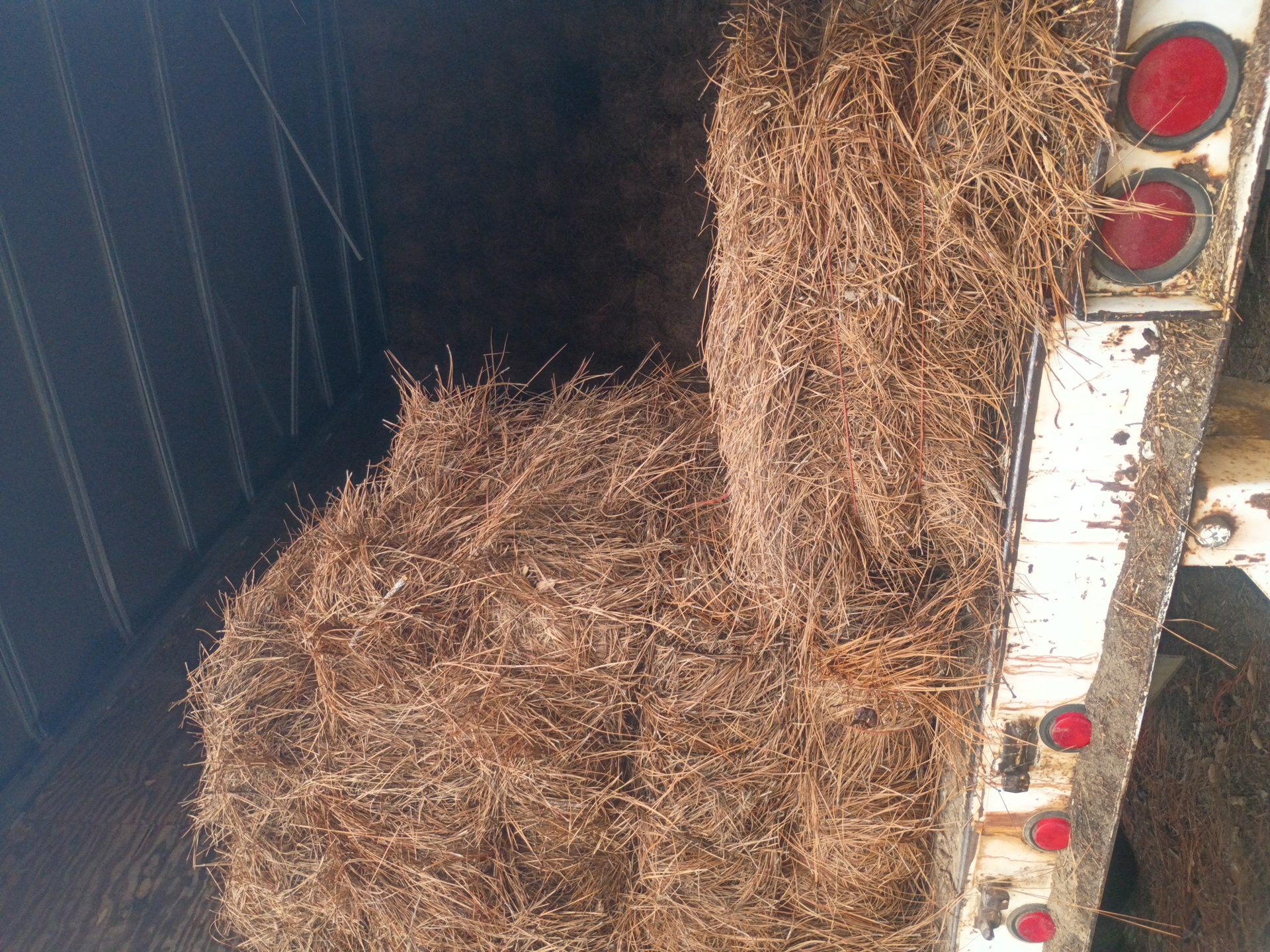
Maximize Your Garden’s Potential with Expert Pinestraw Layering Techniques Nov 23, 2025
Why Pinestraw?
Before we delve into techniques, it’s important to understand why pinestraw is a favorite for many gardeners. Pinestraw is an organic mulch derived from needles that fall naturally, making it sustainably sourced. It offers excellent insulation against temperature swings, helping your soil retain moisture and suppress weeds. Its lightweight nature makes it easier to spread, enhancing soil aeration and offering a vital nutrient supply as it decomposes.
Preparing Your Garden
Preparation is key to any successful gardening endeavor. Start by cleaning the area where you will lay the pinestraw. Remove existing debris, fallen leaves, and weeds to ensure a clean slate. This step prevents the competition for nutrients and makes it easier for pinestraw to perform effectively. Next, enrich the soil with water to create an ideal base for your pinestraw.
Laying the Foundation
Once your garden is prepped, it’s time to focus on the pinestraw layering process. Begin by unrolling your bales and finding a suitable starting point. A key technique recommended by BAM Another Pinestraw Lot is to spread the needles in layers around two to three inches thick. This thickness is optimal for temperature regulation and erosion control while allowing beneficial rainwater to penetrate.
Maintaining Uniformity
For a professional look and optimal functionality, ensure the pinestraw is evenly spread. It can be helpful to use a rake or blower to level uneven areas. Focus on creating fluffy layers rather than compact piles. Uniformity not only boosts your landscape’s visual appeal but also ensures all plants receive consistent protection and nutrients.
Around Plants and Trees
When dealing with trees or larger plants, forming a protective mound around each trunk is advisable. This method aids in diverting excess water away from the base, preventing rot and discouraging pests. Be mindful to avoid directly piling pinestraw against trunks. Allow a small gap for adequate air circulation, promoting healthy growth.
Regular Upkeep
To sustain your garden’s potential, regular maintenance of your pinestraw layers is crucial. Re-position the straw to cover any bare spots and replace it as needed, typically every six to eight months. This upkeep not only keeps your garden looking fresh but ensures continuous benefits. Additionally, periodically check beneath the layers for signs of pest infestations or soil shifts, addressing these promptly.
Expert Assistance
While these guidelines enable you to apply pinestraw yourself, there’s undeniable value in professional help. BAM Another Pinestraw Lot provides expert services to maximize your landscaping investments. With our experience, we ensure precision in application and maintenance, saving you time and optimizing results.
In conclusion, proper pinestraw layering can profoundly impact your garden’s health and beauty. By boosting soil conditions, reducing erosion, and enhancing aesthetics, you can indeed maximize your garden’s potential. Whether taking a DIY approach or seeking professional assistance, these techniques offer a path toward a thriving landscape. For advice, supplies, or service requests, connect with BAM Another Pinestraw Lot today. Let your garden benefit from the expertise we have honed over the years.
/filters:no_upscale()/filters:format(webp)/media/777741be-00c6-4c60-aa6c-f156f59b5775.jpeg)